A technician kneeling on a lawn beside a house, lifting the lid of an in-ground termite monitoring station
Termite control and proofing

They eat the house from the inside.

Termites work quietly, 24 hours a day, and cause about 10% of structural damage every year. We map the colony, then end it — with a barrier in the soil or bait it carries home.

ReticulationDrill-and-injectExterra baitingPre-construction
Signs

What a termite problem looks like before the floor gives.

  • 01Pencil-thin mud tubes on walls, posts and foundations
  • 02Wood that sounds hollow when tapped, or paint that bubbles
  • 03Piles of discarded wings near windows and lights
  • 04Doors and jambs that suddenly stick

Don't spray the mud tubes. It scatters the colony deeper into the house and hides the trail from the inspector. Leave them and send us a photo.
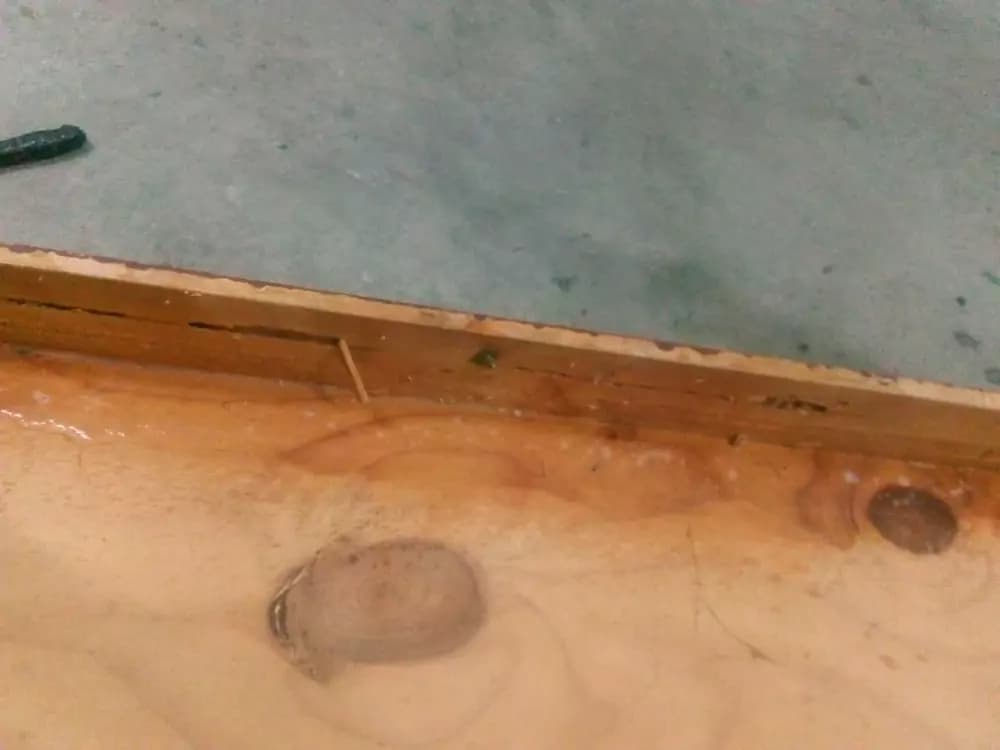
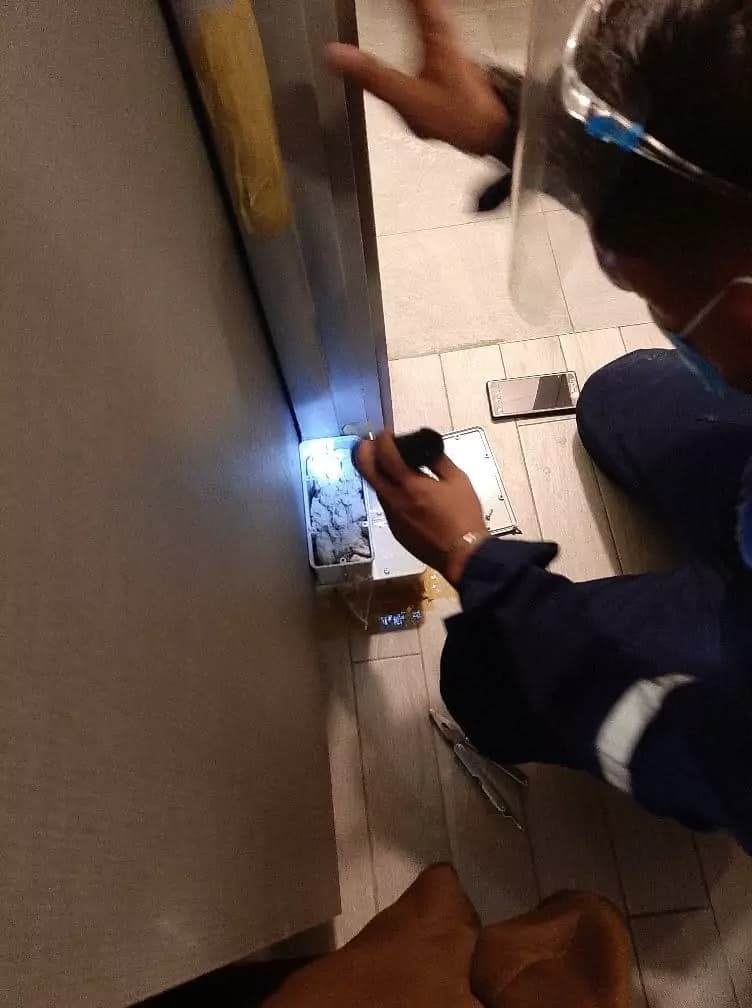
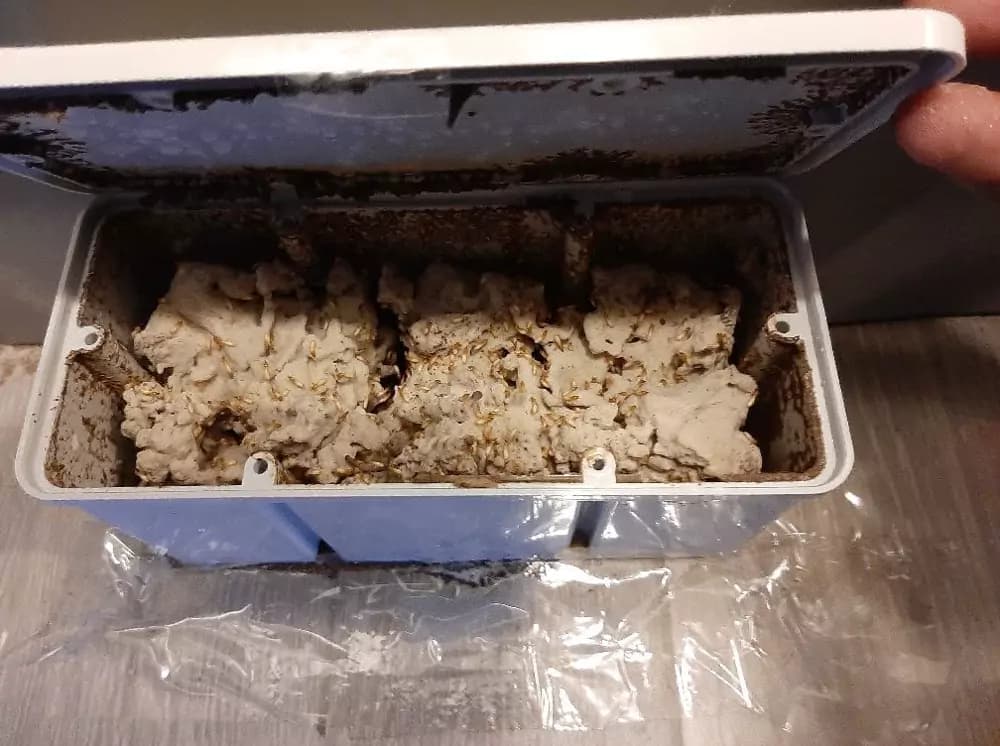
Termite damage along the edge of a wooden boardAn ACJEM technician checking a door jamb with a flashlightA termite bait station opened to show termites feeding
Ant or termite?

Count the wings. Check the waist.

Winged termites (the gamu-gamo after the rain) are often taken for flying ants. Here is how our inspectors tell them apart.

Termite

  • Broad waist, straight-sided body
  • Almost straight antennae
  • Four wings of equal size, twice the body length
  • Wings break off at a touch — piles of wings after a swarm

Ant

  • Thin, pinched "waist"
  • Elbowed antennae
  • Front wings clearly larger than the hind pair
  • Wings stay on
Our methods

Which treatment fits your building?

We don't sell one treatment for every house. Answer three questions and see what our inspectors usually choose.

1Is the building already up?
2What is the ground floor?
3How bad does it look?
Likely method

Answer three questions.

We'll show the treatment our inspectors usually choose for a building like yours — and why.

Inspection and monitoring

Baiting ends the colony, not just the trail.

Many buildings cannot be fully protected with liquid — because of how they were built or landscaped. For them we recommend baiting.

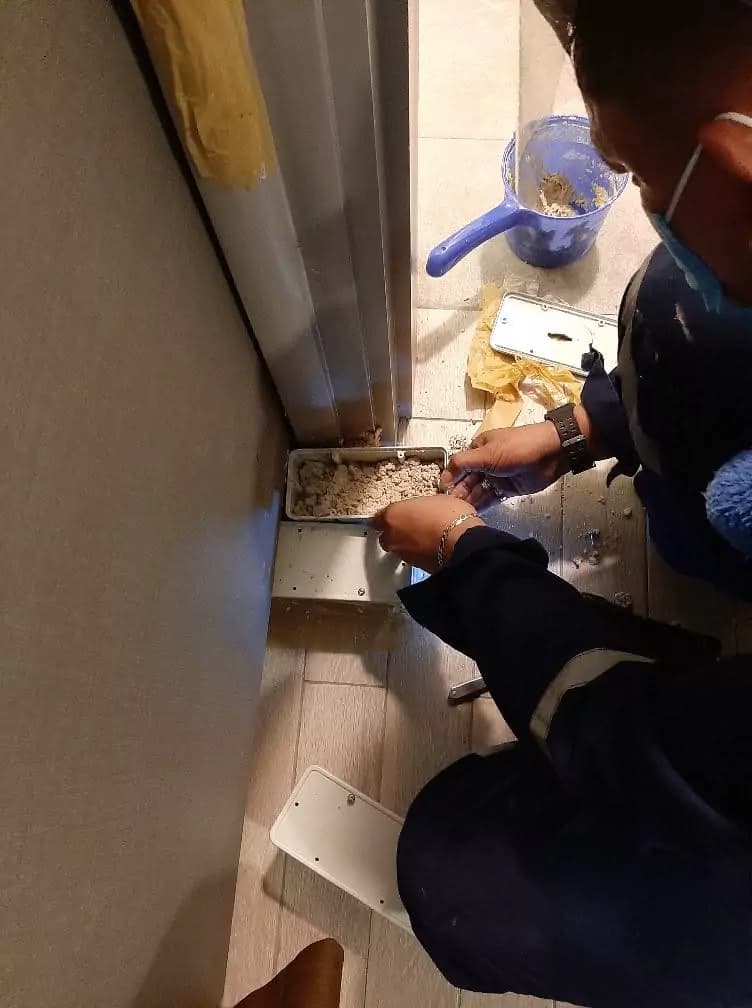
  1. 1Monitoring stations go into the soil around the building.
  2. 2Every 12 weeks a technician services each monitor and refreshes the attractant.
  3. 3Where termites are feeding, bait is added — they carry it back and feed it to the colony.
  4. 4The colony declines and dies; the risk drops to a level we can put a warranty on.
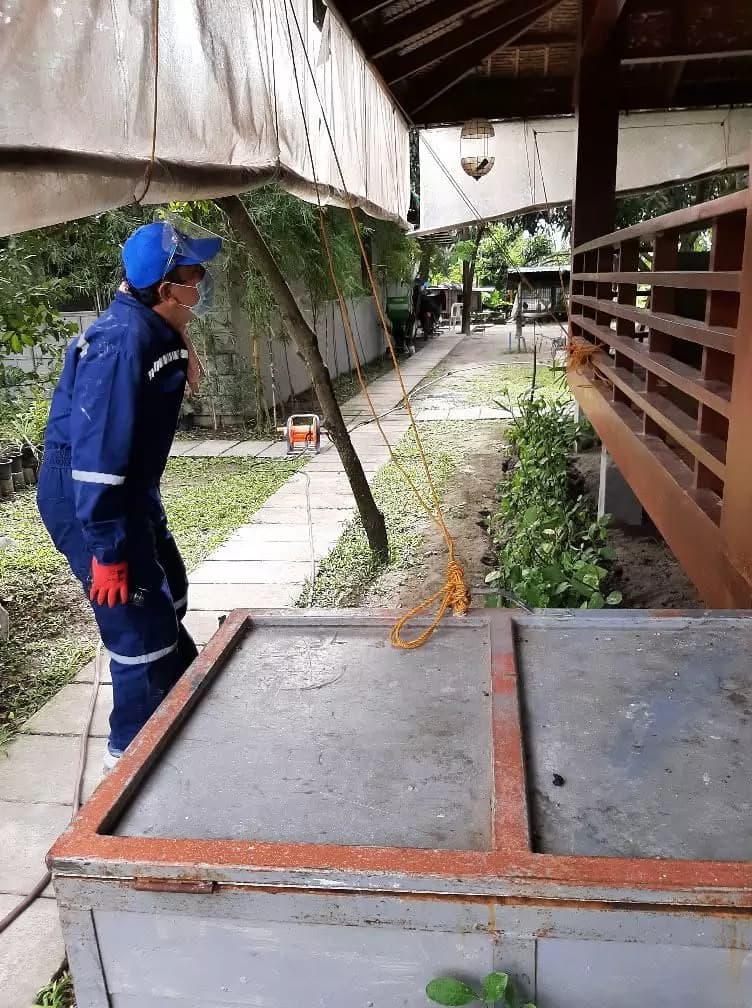
Technician placing a bait station beside a door frameTechnician beside a garden box during a termite inspection
Termite questions

Straight answers.

Why worry about termites?

Termites cause billions of pesos in damage each year. They feed on the cellulose in wood and in paper, books, insulation, clothes and carpets, and they can injure living trees. Heirlooms, antique furniture and keepsakes can be lost for good — and the damage is usually found late, because termites work inside.

What is the difference between ants and termites?

Ants have a thin "waist" and elbowed antennae; termites are broad-waisted and straight-sided, with almost straight antennae. Both can have two pairs of wings, but termite wings are equal in size, twice the body length, and break off at the slightest touch — which is why you find piles of wings after a swarm.

How long before my termite problem stops?

It depends on how heavy the infestation is, the species and the treatment you choose. A mild infestation can be eliminated in one week to a month; a heavy one can take two to eight months, especially with baiting, which ends the whole colony.

Should I spray the mud tubes myself first?

Please don't. Spraying scatters the termites and hides their trail, so the colony moves deeper into the house and the inspector cannot see where it is. Leave the tubes as they are and send us a photo.

Mud tubes on the wall? Don't touch them. Call us.

Book an inspection. A technician comes with a flashlight, finds where they hide, and tells you exactly what it takes.

Hotline answered 24 hours, every day · Globe 0917 629 1085 · Smart 0919 215 7132